

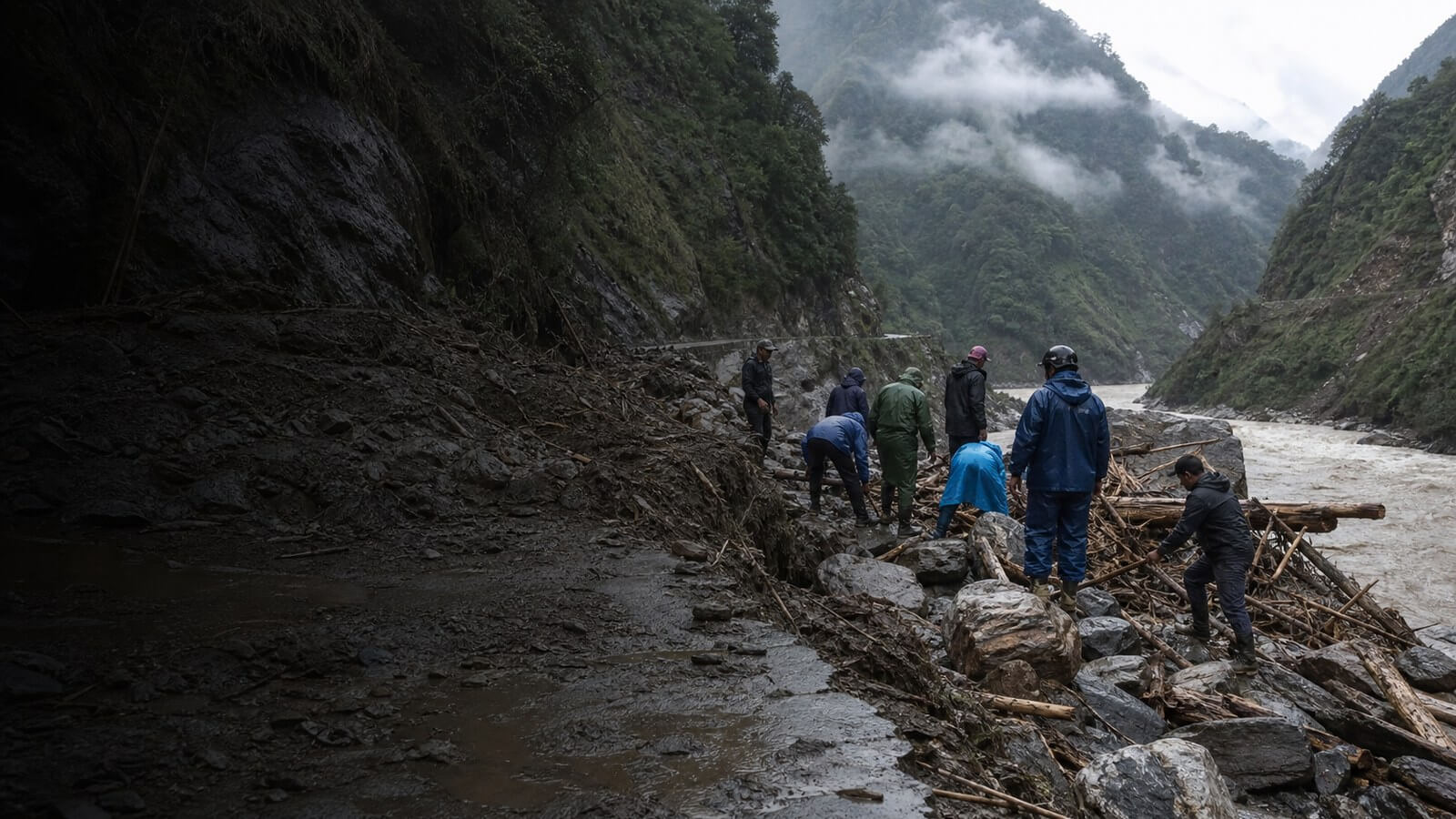
Severe torrential rain across Nepal has triggered devastating flash floods and landslides, overwhelming urban infrastructure in the Kathmandu Valley and cutting off critical transport linkages across central and eastern provinces.
The UK Foreign, Commonwealth & Development Office (FCDO) has updated its guidance for British travelers and nationals in the region, urging extreme caution as rescue teams work to clear overland routes and restore basic utilities.
+---------------------------------------------------------------------------------+
|                                 KEY FACTS AT A GLANCE                            |
+-------------------------+--------------------------------------------------------+
| Primary Cause           | Heavy late-monsoon downpours & cloudburst events       |
| Key Impacted Zones      | Kathmandu Valley, Lalitpur, Bhaktapur, Kavrepalanchok  |
| FCDO Advisory Status    | Exercise high caution; avoid overland travel in risk zones|
| Critical Infrastructure | Major highways blocked; regional energy/water disrupted|
| Primary Contact (UK)    | FCDO Travel Advice & Embassy in Kathmandu              |
+-------------------------+--------------------------------------------------------+
Table of Contents
-
What Has Happened?
-
FCDO Guidance for British Nationals
-
What Caused the Extreme Flooding?
-
Infrastructure Damage and Immediate Risks
-
What Happens Next? Forecast and Recovery
What Has Happened?
Extremely heavy monsoon rainfall across central and eastern Nepal resulted in widespread inundation, river overflows, and slope failures. Rivers including the Bagmati, Koshi, and Gandaki surpassed critical danger thresholds, flooding low-lying settlements and damaging bridges, hydroelectric projects, and communications towers.
Search and rescue operations executed by the Nepal Army, Armed Police Force, and Nepal Police remain active across heavily damaged districts. Emergency responders continue efforts to clear mudslides along major arterial routes connecting Kathmandu to the rest of the country.
           +---------------------------------------------------------+
           |           CHRONOLOGY OF THE FLOOD CRISIS                |
           +---------------------------------------------------------+
           | Phase 1: Heavy late-monsoon rainfall triggers cloudbursts|
           | Phase 2: Bagmati & Koshi rivers breach safety levels     |
           | Phase 3: Major highways inundated; urban flooding hits  |
           |          Kathmandu Valley                               |
           | Phase 4: FCDO issues updated travel & safety guidance   |
           +---------------------------------------------------------+
FCDO Guidance for British Nationals
The Foreign, Commonwealth & Development Office provides ongoing safety assessments for British citizens abroad. Following the flood emergency, the UK government advises nationals currently in or planning to travel to Nepal to adhere to the following steps:
-
Monitor Local Media & NDRRMA Advisories: Keep updated via the National Disaster Risk Reduction and Management Authority and national news outlets.
-
Verify Flight Schedules: Transport to and from Tribhuvan International Airport (KTM) can experience delays due to weather conditions and road access issues. Always confirm travel bookings with airlines prior to departure.
-
Avoid Overland Highway Travel: Landslide risks remain high along mountain passes, including the Prithvi Highway and Tribhuvan Highway corridors.
-
Contact Insurance Providers: Ensure your travel insurance policy covers severe weather disruptions, emergency evacuations, and trip cancellations.
What Caused the Extreme Flooding?
Atmospheric conditions during the late-monsoon phase brought intense, concentrated rainfall over short durations—frequently described as cloudburst events.
                                  +-----------------------+
                                  | Late-Monsoon Moisture |
                                  +-----------+-----------+
                                              |
                                              v
                                  +-----------------------+
                                  | Orographic Lifting    |
                                  | (Himalayan Foothills) |
                                  +-----------+-----------+
                                              |
                                              v
                                  +-----------------------+
                                  | Torrential Downpour & |
                                  |   Saturated Soils     |
                                  +-----------+-----------+
                                              |
                                              v
                                  +-----------------------+
                                  | Flash Floods & Massive|
                                  |      Landslides       |
                                  +-----------------------+
Unusually high soil moisture levels from prior seasonal rains limited ground absorption, accelerating surface runoff directly into urban drainage lines and river networks. Rapid urban build-out within riverbanks has also constrained natural floodplains in cities like Kathmandu and Lalitpur.
Infrastructure Damage and Immediate Risks
+---------------------+-------------------------------------------------------+
| INFRASTRUCTURE SECTOR| DAMAGE ASSESSMENT & OPERATIONAL IMPACT                |
+---------------------+-------------------------------------------------------+
| Transport Networks  | Key bridges washed out; major arterial highways blocked|
| Power & Utilities   | Hydroelectric plants off-line; localized blackout risk|
| Water & Sanitation  | Risk of waterborne disease transmission in flooded zones|
| Telecommunications  | Intermittent mobile network outages in rural districts|
+---------------------+-------------------------------------------------------+
Public health authorities have warned of secondary risks following the retreat of floodwaters, including waterborne illnesses such as cholera and vector-borne diseases. Access to clean drinking water remains an urgent priority for relief agencies.
What Happens Next? Forecast and Recovery
Meteorological agencies project a gradual stabilization of weather patterns as the seasonal monsoon system weakens over northern South Asia. However, the short-to-medium-term recovery phases will focus on critical milestones:
-
Highway Clearance: Removing landslide debris from key supply lines to ensure food, medicine, and fuel reach affected populations.
-
Infrastructure Restoration: Rebuilding damaged bridges and restoring stable power grid connections across affected districts.
-
International Relief Coordination: Engagement between humanitarian partners, international aid organizations, and national authorities to deliver shelter and clean water solutions.
Key Takeaways
-
Severe Impact: Heavy monsoon rains caused extensive flooding and landslides in Nepal, severely impacting the Kathmandu Valley and major river basins.
-
UK Travel Warning: The FCDO advises British travelers to exercise heightened caution, monitor official channels, and avoid non-essential travel along high-risk mountain highways.
-
Infrastructure Challenges: Overland transport disruption, localized power outages, and water supply contamination represent primary operational concerns.
-
Next Steps: Disaster response efforts are focused on opening critical road links, preventing disease outbreaks, and restoring public utilities.
FAQ Section
Is it safe to travel to Nepal right now?
The UK FCDO advises travelers to check updated travel guidelines before departing. While international flights operate, local land transport and mountain trekking routes face significant disruptions due to landslides and flood damage.
What should British citizens in Nepal do during flooding?
British nationals should follow instructions from local authorities, stay clear of flooded riverbanks, refrain from land travel across unstable terrain, and register their presence with the local UK consular services if assistance is needed.
Which areas in Nepal are most affected by the flash floods?
The most severely impacted zones include the Kathmandu Valley (Kathmandu, Lalitpur, Bhaktapur), Kavrepalanchok district, and communities situated along the Bagmati and Koshi river basins.
Are flights operating out of Kathmandu Airport (KTM)?
Flight operations continue but remain subject to weather conditions and domestic transit access. Travelers should verify flight statuses directly with their airlines before traveling to the airport.
How does the monsoon season cause flash floods in Nepal?
During the monsoon season, moisture-laden air masses collide with the Himalayan mountain range, producing intense rainfall. Saturated soil loses its capacity to absorb water, triggering immediate surface runoff and landslides.
What secondary risks exist after floodwaters recede?
Key post-flood risks include waterborne infections, damaged road safety conditions, compromised structural integrity of buildings, and potential interruptions to food and clean water distribution.
How can I contact the British Embassy in Kathmandu?
British nationals requiring urgent consular assistance can reach out to the Foreign, Commonwealth & Development Office in London or contact the British Embassy in Kathmandu directly via official UK government communications channels.
How long will the recovery process take?
Emergency road clearance and essential power restoration typically occur within days to weeks. Full structural rehabilitation of bridges, highways, and water networks will require sustained long-term engineering work.
