

You’ve got your builder’s quote, you’ve priced the kitchen units, and you’ve set aside a contingency of 10% because that’s what everyone says to do. Then the project starts, and costs you never even considered start showing up on invoices.
It happens on almost every renovation, and it catches people out because these aren’t costs that appear in any quote or brochure. They’re the fees, charges and surprise expenses that circle around the main build. From council permits to discovery costs behind old walls, here’s where that contingency actually goes.
Skip Hire That Keeps Ticking
Most builders will include an initial skip in their quote, or they’ll arrange one and pass the cost on. What they won’t always mention is that skip hire typically comes with a standard period of one to two weeks. Go past that, and you’ll start paying extension charges. Depending on the company and area, that can be £30 to £80 per renewal period, and it adds up fast when a project overruns by a month or two.
If the skip is sitting on a public road or pavement, you’ll also need a council permit. That’s a separate cost, and it varies wildly. Fees across the UK range from around £13 to £260, with most councils charging somewhere between £30 and £100. Your builder might sort this out, but the fee often gets passed straight through to you.
Scaffolding Licence Fees
Scaffolding is another one that sneaks up. The scaffolding itself will usually be included in a builder’s price. But if it extends over a public footpath or road, your council will require a highway licence. That’s a separate application, and the fees differ by area.
In parts of London, it can run to several hundred pounds. Outside London, expect to pay anywhere from £130 to £275 for an initial period, with weekly or monthly extensions on top. It’s still a cost nobody tells you about until the scaffolder turns up and asks whether the licence has been arranged.
Party Wall Surveyors
If your renovation involves work on or near a shared wall with a neighbour, you’ll need a party wall agreement under the Party Wall etc. Act 1996. When both sides agree quickly and use a single surveyor, a standard award typically costs around £1,000.
But if your neighbour appoints their own surveyor (which is their legal right), you’ll be paying for both. That can push the total to anywhere between £1,800 and £5,400 depending on complexity, and the process can take weeks to resolve before any building work starts.
Building Control Fees You Didn’t Budget For
A lot of homeowners assume their builder’s quote covers everything needed to get the job signed off. It usually doesn’t include building control. Your local authority will charge for plan checks and site inspections, and those fees typically fall between £450 and £2,500 depending on the scale and location of the work.
If you’re using a private building inspector instead, the fees are similar. Either way, it’s a cost that’s separate from the build itself, and it’s one that rarely shows up on a first budget spreadsheet.
Uncovering Unexpected, Out-of-Sight Problems
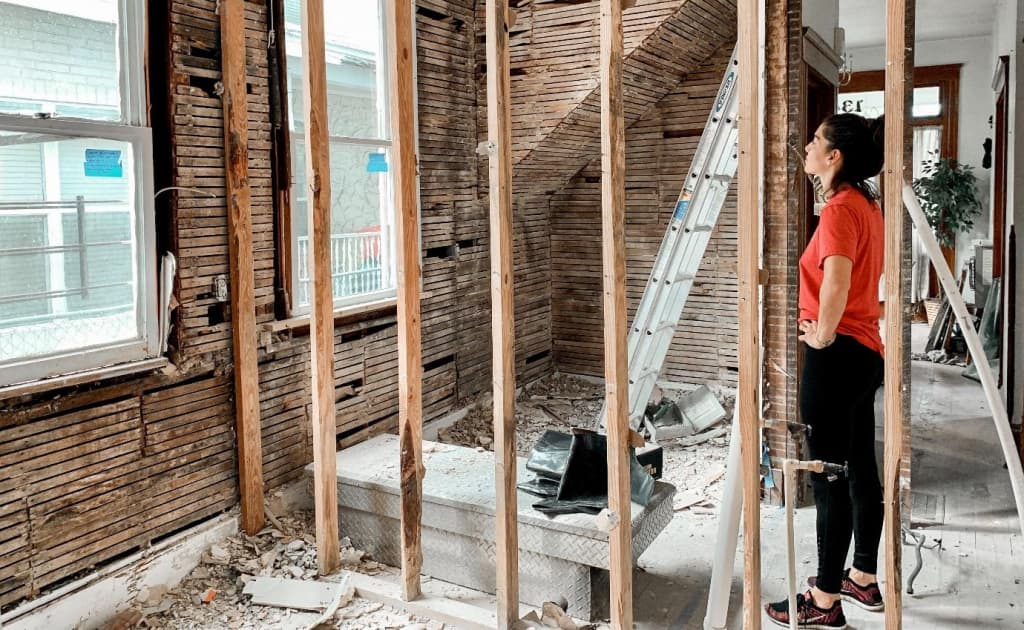
This is the one that genuinely takes people by surprise. You start a bathroom refit, the old tiles come off, and underneath you find crumbling plaster, damp patches or walls that are just too uneven to tile over. The same thing happens in kitchens. Walls that have been hidden behind old units for 20 years often aren’t in great shape once they’re exposed.
At that point, your builder will tell you the walls need sorting before any new finishes can go on. Re-plastering a full bathroom adds time and cost, and you’ll need to wait for the plaster to dry before tiling can start. In wet rooms like bathrooms and kitchens, where moisture resistance matters, Simply Cladding hygienic cladding sheets can offer a quicker alternative to plastering and tiling, since PVC panels bond directly over prepared surfaces and don’t need drying time. Either way, the cost of fixing what’s behind the old finish is almost never in the original quote.
Temporary Living Costs
If your kitchen is being ripped out for three to four weeks, you won’t be cooking at home. Some families move out entirely during major work, and that means short-term rental costs or staying with relatives.
Even if you stay put, the cost of takeaways and eating out every night adds up. Three weeks of dinners for a family of four can easily run to £500 or more, and that’s before you factor in the general disruption.
Discovery Costs Behind Old Walls
Opening up any wall or floor in an older property is a bit of a lucky dip. You might find outdated wiring that doesn’t meet current regulations, in which case it’ll need replacing before work continues.
You might find asbestos in old textured coatings or insulation boards, which requires specialist removal. Or you might uncover rising damp that’s been hidden behind plasterboard for years. Each of these issues will stop the project, add cost and often push your timeline back by weeks.
The Real Contingency Number
That 10% contingency figure gets thrown around a lot, but for anything beyond a cosmetic refresh, 15% or more is closer to reality. The more walls you open up and the older the property, the more likely you are to hit unexpected costs. Budget for the fees nobody mentions, and you’ll have a much calmer renovation.
Frequently Asked Questions
What are the hidden costs of home renovation?
Hidden renovation costs can include skip permits, scaffolding licences, party wall surveyors, building control fees, temporary living expenses and repairs to problems discovered behind walls or floors.
How much contingency should I budget for a home renovation?
The article recommends considering a contingency of 15% or more for major renovation work, particularly when renovating an older property or opening up walls and floors where unexpected problems may be discovered.
What costs are often missing from a builder’s quote?
A builder’s initial quote may not include costs such as building control fees, council permits, party wall surveyors, scaffolding licences, temporary accommodation or repairs required after hidden problems are uncovered.
How much does a skip permit cost in the UK?
The article says skip permit fees can vary significantly between councils, with figures ranging from around £13 to £260 and many councils charging approximately £30 to £100. The actual cost depends on the local authority and circumstances.
Can skip hire become more expensive during a long renovation?
Yes. Skip hire commonly covers a standard period of around one to two weeks. If the skip remains longer, extension charges can apply. The article gives an indicative range of £30 to £80 per renewal period.
Do I need a scaffolding licence for a home renovation?
A highway licence may be required if scaffolding extends over a public footpath or road. The fees vary by council and location, and additional charges can apply when the licence period is extended.
How much can a party wall surveyor cost?
The article states that a standard party wall award can cost around £1,000 when both sides agree and use one surveyor. If a neighbour appoints their own surveyor, the combined cost can rise to approximately £1,800 to £5,400 depending on the complexity.
What are building control fees?
Building control fees cover services such as checking plans and carrying out site inspections to ensure building work meets the relevant requirements. The article gives a typical range of approximately £450 to £2,500 depending on the size and location of the project.
What unexpected problems can be found during a renovation?
Renovation work can uncover problems such as damaged plaster, damp, uneven walls, outdated electrical wiring, asbestos-containing materials and rising damp. Fixing these issues can increase both the cost and duration of a project.
Why can renovating an older house cost more than expected?
Older properties can contain hidden problems behind walls, floors, tiles and fittings. When these areas are opened during renovation, issues such as outdated wiring, damp or asbestos may be discovered, requiring additional work before the planned renovation can continue.
