

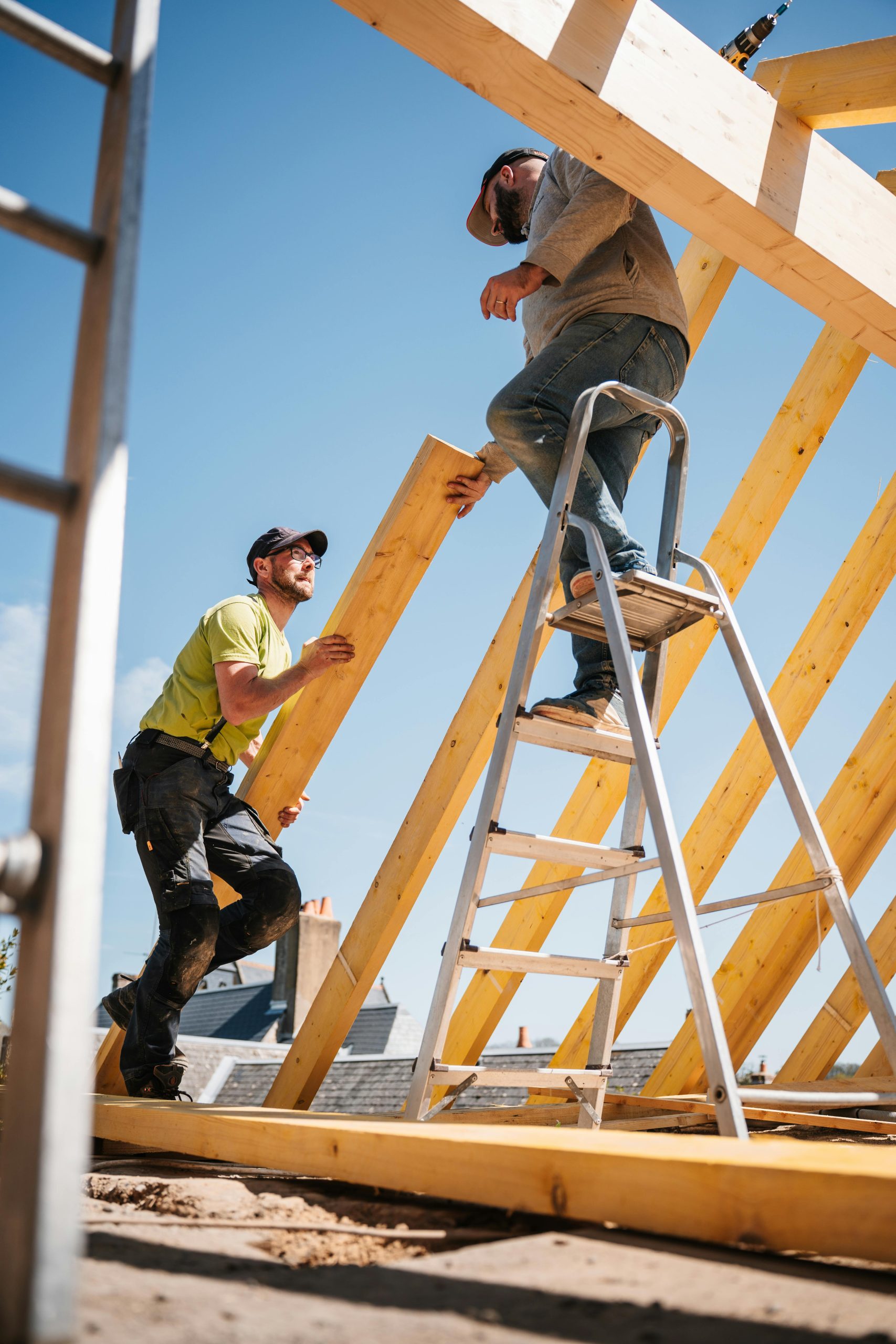
Getting your roof fixed or replaced can feel like a leap into the unknown, especially when you’re navigating everything from old, quirky terraced houses to shiny new builds, something Norwich has in abundance. For most of us, it’s not the sort of thing we do every year, so it’s only natural to feel a bit anxious about getting it right, including how to keep surprises off the bill.
Truth is, no one wants to be hit with unexpected costs partway through a roofing job. Sadly, hidden charges are more common than you’d think. Sometimes, they’re down to genuine unforeseen issues. Other times, it’s shifty practices or fuzzy quotes that make the final bill balloon. But a bit of preparation goes a long way and that’s what this guide is all about.
Let’s look at how you can make sure your Norfolk roof doesn’t come with Norfolk-sized surprises attached, by understanding quotes, asking upfront questions, knowing the warning signs, and nailing down the details in your contract.
Where Do Hidden Roofing Costs Come From?
Not all surprise costs are down to dodgy tradespeople; sometimes no one can spot a rotting timber beam until the old tiles come off. But the best roofers Norwich has will be honest about possible extra costs from the get-go, and build that into your quote. The real trouble starts when a quote is vague or key costs are left unsaid, only to crop up later.
Some of the usual culprits are:
- Rotting Decking: It’s often hidden until tiles or felt are lifted. Replacing it can’t always be priced until work is underway, but your quote should mention it as a possibility.
- Structural Repairs: If there are problems underneath, like dodgy rafters, these will need attention to make the new roof safe.
- Scaffolding: Some jobs just can’t be done safely without it, and it doesn’t come cheap.
- Rubbish Removal: Old tiles, felt, and timber don’t disappear by magic. Skips and proper disposal need to be included.
- More Materials: If rain or old damage has made things worse than expected, that can mean more slates, felt, or flashing, again, things that can be flagged early.
- Lack of Ventilation: Roofers can’t always inspect your loft until tiles have been removed, they may then find that extra roof ventilation needs to be added.
A trustworthy roofer will be upfront about these what-ifs and include them as potential extras in your quote, ideally with guidance on typical costs per area or item. As a general rule, a one-line estimate for the entire job is usually a sign to look elsewhere.
Reading the Quote: What Should Be Included?
No one should ever settle for a price scribbled on the back of a van receipt or given over the phone. A proper, professional quote is written up and breaks down every cost, so you know exactly where your money’s going.
What to expect from a quote:
Materials Breakdown
It should say exactly what materials are being used, down to the make and style of tile, underlay, nails, the lot. This not only helps you keep track of the quality going onto your roof, but also means the roofer can’t sneak in low-grade substitutes. It’s even better if the quote lists quantities and unit prices.
Labour Costs
The quote should say how much the labour is, whether it’s a flat fee or a day rate, and how many days or people are expected on the job. Make sure it’s clear if you’re paying for the whole team together or per head.
Scaffolding and Access
If scaffolding’s needed, it should appear as a separate line—with clear info about who’s organising it (the roofer or another firm) and the total hire cost.
Waste Removal
Check for a line covering skips and rubbish clearance. If there’s old lead or asbestos, proper disposal isn’t just important, it’s the law.
Contingencies and Extras
Here’s the bit many skip: look for a section that spells out what happens if new problems crop up, rotten timber, broken trusses, extra slates. Good roofers add a menu of prices for common extras so you can budget for worst-case scenarios upfront.
Essential Questions to Ask Before Greenlighting the Job
So you already know your roof needs attention and you’ve got your shortlist of roofers, have a cuppa with them and ask these questions. A good tradesperson won’t hesitate.
Are you properly insured?
Ask to actually see proof of public liability cover. This protects you if a tile smashes a conservatory or someone gets hurt on site. If they can’t show it, move on.
Got local references?
Any decent Norwich roofer will have plenty of happy customers. Ask for details of at least two or three recent jobs and, if you can, have a chat with those homeowners or check out the work in person.
What guarantees do you offer?
There should be two: a manufacturer’s warranty for materials, and a separate guarantee for the workmanship (the standard is about 10 years, but this can vary). Make sure it’s written down.
Who will actually do the work?
Will it be the team you meet, or do they use subcontractors? If subs, you need to know they’re covered by the same insurance and guarantee, otherwise you could be left in the lurch if something goes wrong.
How does the payment schedule work?
Generally, you’ll put down a small deposit for materials (10-25%), then pay the balance after you’re happy with the finished work. For big jobs, there might be instalments at different stages. Never pay all upfront, only settle in full when you’re satisfied.
Red Flags to Watch Out For
Keep these warning signs in mind when choosing your roofer:
- Heavy Sales Pressure: If you’re told the “special deal” only lasts for the next hour, politely say no thanks. Reputable tradespeople give you the space you need.
- Cash-Only Requests: Cash under the table is a red flag. You should always have a paper trail for any home improvement work, just in case.
- No Fixed Address: Only a mobile number or an untraceable business? Look for someone with a local office or address, you want to know where to find them if needed.
- Vague or Unwritten Quotes: If they’re reluctant to give anything in writing, that’s a no-go.
- Cold Callers: If someone knocks on your door unannounced, saying your roof looks dangerous or they’ve “got materials left over from a job down the road”, thanks but no thanks.
Your Roofing Contract: Locking It All Down
Before any work begins, get a proper contract in writing. This is your safety net. It should include:
- Full Scope of Work: Clear details about what’s being done, how, and what’s included.
- Total Cost & Payment Plan: Nail down what’s covered and how and when you’ll pay.
- Timeline: Set a start and expected finish date.
- Guarantees: Both for materials and workmanship, ideally in plain English.
- Contingency Plan: Clear details for dealing with any fresh surprises during the job.
- Dispute Resolution: What happens if things go wrong (hopefully never needed, but still important!).
Read every page of that contract, and don’t be shy about asking for explanations. If there’s anything you don’t understand, get clarification, no question is too small.
Wrapping Up: Protecting Your Home (And Your Wallet)
Re-roofing or repairs can be nerve-wracking, but good planning and a bit of healthy scepticism go a long way. Keep your wits about you to avoid a scam roofing contractor: understand the quote inside and out, insist on references and insurance, get everything in writing, and don’t let yourself be rushed.
Above all, trust your instincts. Norwich is full of honest, local roofers who take pride in their work, find one and build a good relationship. That way, not only do you avoid hidden costs, but you’ll gain peace of mind and a roof that’ll last for many years into the ever-unpredictable British weather.
If you ever find yourself unsure or in need of advice, don’t be afraid to get a second opinion. Sometimes, that extra bit of homework pays for itself many times over. Good luck and here’s hoping your next roofing project is smooth and surprise-free!
