


Now that energy bills continue to rise and environmental concerns dominate headlines, the UK government’s ECO4 scheme emerges as a beacon of hope for households struggling with energy costs and inefficient homes. Standing as the fourth phase of the Energy Company Obligation, this ambitious programme represents a GBP£4-billion investment in making British homes more energy-efficient while supporting those who need it most.
Whether you’re a homeowner battling high heating bills or a tenant living in a poorly insulated property, understanding the ECO4 scheme could unlock significant savings and transform your living conditions. This comprehensive guide explores the essential aspects of this transformative initiative that’s already helped millions of households across the nation.
1. Understanding the Core Purpose of ECO4
Launched in August 2022, the ECO4 scheme is the fourth phase of the Government’s Energy Company Obligation. This is due to continue until 31 March 2026. At its heart, this initiative represents a fundamental shift in how the UK approaches energy efficiency and fuel poverty. The ECO4 scheme provides grants to fund energy-efficient upgrades to homes reducing emissions, electricity and energy bills, positioning itself as a crucial mechanism in the government’s broader strategy to achieve carbon neutrality.
The scheme operates on a simple yet powerful premise: by improving the energy efficiency of homes, particularly those occupied by vulnerable households, the government can simultaneously tackle fuel poverty, reduce carbon emissions and help families manage their energy costs. This multi-pronged approach addresses one of the most pressing issues facing modern Britain, where millions of households struggle to adequately heat their homes while managing increasingly expensive energy bills.
The programme specifically targets properties with poor energy performance ratings, ensuring that resources are directed where they can make the most significant impact.
2. Navigating ECO4 Eligibility Requirements
ECO4 eligibility is based on household income, receipt of certain benefits and the energy efficiency rating of your home. The scheme primarily serves two distinct pathways for qualification, ensuring that support reaches those most in need.
The first pathway focuses on households receiving means-tested benefits, recognising that these families often face the greatest challenges in maintaining warm, comfortable homes. The second pathway operates through ECO4 Flex, which allows households with a combined household income of £31,000 or less living in private homes with an EPC rating of D or below to qualify. This income-based approach ensures that working families who don’t receive benefits but still struggle with energy costs aren’t excluded from support.
Property requirements form another crucial aspect of eligibility. The scheme primarily targets households with low EPC rating (D, E, F or G) and focuses on providing funding for energy-efficient home improvements to low-income households and those living in poorly insulated homes. This focus ensures that the scheme delivers maximum impact by prioritising homes where energy efficiency improvements can make the most significant difference to both comfort and costs.
For those seeking to understand the full scope of qualification criteria, consulting additional reputable resources can provide valuable insights into ECO4 eligibility requirements and help ensure all potential pathways to support are thoroughly explored.
3. Comprehensive Range of Available Improvements
The ECO4 scheme offers free grants for energy-saving measures such as heating upgrades, renewable energy installations and insulation, providing a holistic approach to home improvement that goes far beyond simple upgrades.
Insulation measures form the foundation of many ECO4 installations, including roof, loft, cavity wall and internal wall insulation. These improvements create a thermal envelope around the home, dramatically reducing the amount of energy needed to maintain comfortable temperatures throughout the year.
Heating system upgrades represent another significant component of the scheme, with particular emphasis on replacing inefficient systems with modern, environmentally friendly alternatives. The programme covers everything from traditional boiler replacements to cutting-edge heat pump installations, ensuring that households can access the most appropriate technology for their specific circumstances.
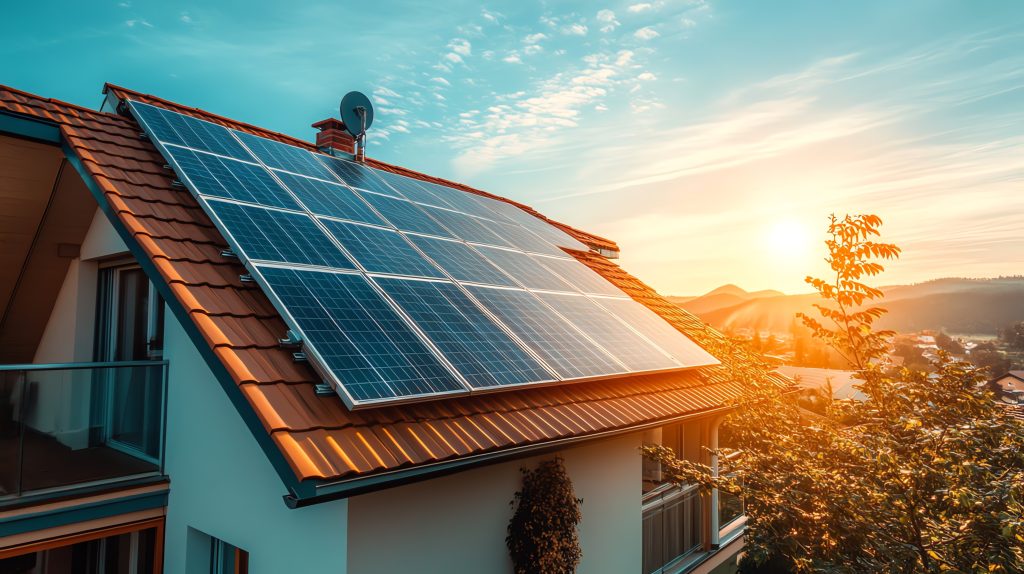
Additionally, renewable energy installations, including solar panels, help households generate their own clean energy, further reducing their dependence on expensive grid electricity.
4. Financial Impact and Long-Term Benefits
The financial implications of participating in the ECO4 scheme extend far beyond the immediate value of the free installations, creating lasting benefits that compound over time. There’s GBP£4-billion-worth of funding for the ECO4 scheme, ensuring that eligible families can access comprehensive improvements without the prohibitive upfront costs that typically prevent such upgrades.
The long-term financial benefits of ECO4 improvements often prove transformative for participating households. Energy-efficient homes require significantly less fuel to maintain comfortable temperatures, leading to substantial reductions in monthly energy bills that accumulate over years. For families previously struggling with fuel poverty, these savings can mean the difference between choosing between heating and other essential expenses. The improvements also increase property values, providing homeowners with enhanced equity in their homes while making properties more attractive to potential buyers or tenants.
Beyond individual household benefits, the scheme delivers broader economic advantages by reducing national energy consumption and decreasing reliance on imported fossil fuels. This systemic approach to energy efficiency contributes to national energy security while supporting the UK’s commitment to reducing greenhouse gas emissions in line with climate targets.
5. Application Process and Timeline Expectations
The process typically begins with an initial assessment to determine eligibility, followed by a detailed home survey to identify the most beneficial improvements for the specific property. You must prove you obtain qualified benefits, which may include award letters or DWP documents, along with valid identification like a passport or driver’s licence, ensuring that applications can be processed efficiently.
The timeline for ECO4 improvements varies considerably depending on the complexity of the work required and local availability of approved installers. Simple measures like loft insulation might be completed within weeks of approval, while more complex installations such as heat pumps or extensive insulation programmes may require several months from initial application to completion. Throughout this process, households receive regular updates and support from their chosen provider, ensuring transparency and managing expectations effectively.
Quality assurance forms an integral part of the ECO4 process, with all work subject to rigorous standards and post-installation inspections. This ensures that improvements deliver the expected energy savings while providing lasting benefits to participating households. The comprehensive approach includes warranties on installed measures, providing peace of mind and protection for families investing in their home’s energy efficiency.
Conclusion
For households struggling with high energy bills, poorly heated homes or concerns about environmental impact, investigating ECO4 eligibility could unlock transformative improvements at no upfront cost. With the scheme continuing until 2026 and billions of pounds in funding available, there remains significant opportunity for eligible families to access these life-changing benefits. Taking action today could mean years of lower energy bills, improved comfort and the satisfaction of contributing to a more sustainable future for generations to come.
