

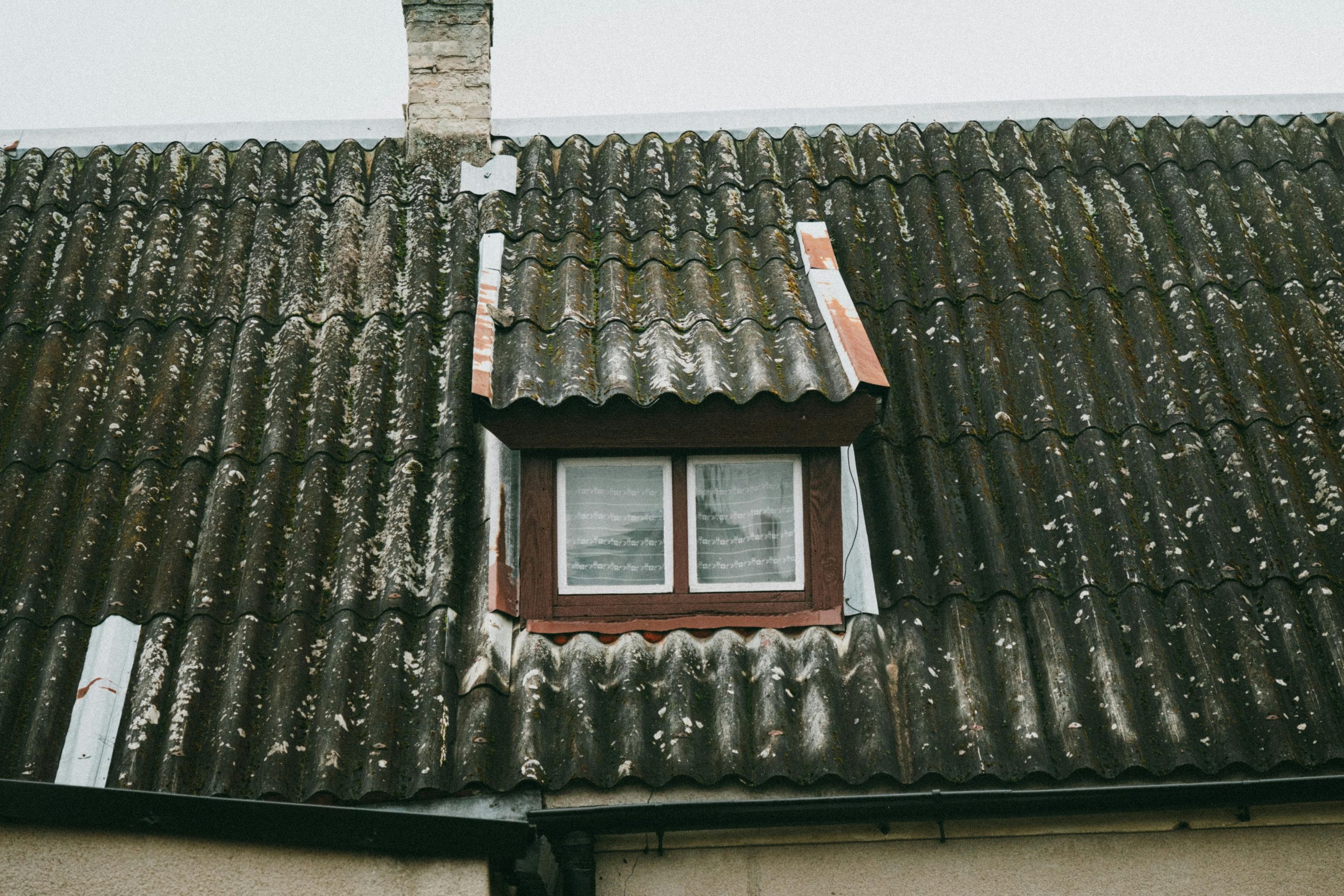
Uncovering asbestos in your East Anglia home can send a chill down your spine. You’re probably well aware of its scary reputation, sometimes the mere mention is enough to cause a bit of panic. It’s easy to jump to the conclusion that any trace of asbestos means you need to rip it out immediately. But the truth is, with a bit of know-how and sensible management, asbestos isn’t always the crisis it first appears to be. In fact, there are plenty of families living safely with asbestos in their homes, simply because they know when to leave it alone and when to call in the experts.
So, how do you decide whether the asbestos in your place is a ticking time bomb or something you can live with? It really comes down to where it is, what kind of shape it’s in and whether it’s ever likely to be disturbed. In this article, we’ll break down what you actually need to worry about, situations where it’s perfectly fine to leave asbestos untouched, and the moments when it’s non-negotiable to get it professionally removed.
Understanding the Risks: When Is Asbestos Actually Harmful?
Most people know asbestos is dangerous, but the reasons aren’t always clear. Asbestos is a natural mineral that was once the darling of the building trade—fire-resistant, cheap and a brilliant insulator, so it ended up in roofs, walls, floors and more across the UK right up until the 1999 ban. The problem isn’t the material itself, but the tiny, invisible fibres it sheds if it’s tampered with.
You’ll mainly come across two types of asbestos-containing materials (ACMs):
- Friable Asbestos: The kind that crumbles in your hands, such as pipe insulation or loose loft lagging. These are the real nasties, as even gentle handling can release clouds of fibres into the air.
- Non-Friable Asbestos: Also known as ‘bonded asbestos’. Here, the fibres are stuck fast inside something else, like cement roof sheets or old vinyl floor tiles. Generally harmless unless they get drilled into, sanded down or broken apart.
The real danger is when those fibres get stirred up, float around in the air and end up in your lungs. We’re talking genuinely serious health issues, such as mesothelioma, asbestosis, and certain cancers that can show up decades later. But honestly? If the asbestos is undisturbed, sealed in and out of your day-to-day path, the risks are very low. On the other hand not calling in the asbestos removal experts could cost you more than just money.
Sometimes Doing Nothing Is the Safest Option
This goes against most instincts, but sometimes the cleverest thing you can do about asbestos is nothing at all. That’s because disturbing untouched, stable asbestos is what causes problems, not just its quiet presence in the house.
Asbestos is safest left alone if:
- It’s in decent condition: No cracks, flakes or ragged bits hanging off.
- No one’s likely to mess with it: The classic example is an undisturbed ceiling in a spare room or garage roof sheets well out of harm’s way.
- It’s nicely sealed or painted over: Modern paints and sealants do a great job of trapping fibres safely inside.
Think about that old, swirled Artex ceiling you might have in a hallway. If it’s looking solid and you don’t plan to hang anything from it or scrape it down, chances are you’re better off leaving it exactly as it is. The same goes for the cement roof on your shed, so long as it isn’t crumbling or leaking, it can stay put and is unlikely to cause you any bother.
Managing Asbestos at Home: Simple Steps for Peace of Mind
If you’ve decided leaving things as they are is best, that doesn’t mean you simply forget about asbestos and carry on as usual. You’ll need a sensible management approach to keep you and your household safe:
- Get the professionals in: Book a UKAS-accredited asbestos surveyor for a Management Survey. This way, you’ll know exactly where any ACMs are hiding, what type they are, and what condition they’re in. Most reputable companies will handle sampling and provide a clear report for you.
- Make a note of where it is: Pop a label on the loft hatch, write a note in your home manual, or keep records in your phone. If someone’s coming to do plumbing or electrics, it’s a massive help to let them know in advance so they can steer clear.
- Encapsulate when needed: If there are signs of minor wear or damage, ask the pros if the material can be sealed with a special coating. This is an affordable, tidy way to keep any fibres locked away and works for flat boards, cement panels, and so on.
- Give it a check now and then: Every year or so, have a quick look at any known asbestos. If something looks different, cracks, sagging, or fresh damage, don’t ignore it. Any changes are a good cue to call in expert advice again.
When Removal Is Really the Only Option
As much as “leave it be” can be perfectly safe, life changes and sometimes asbestos removal moves higher on your to-do list. There are times when letting things lie just isn’t good enough and calling in asbestos removal experts is the right choice.
1. If It’s Damaged, Frayed or Deteriorating
Any sign of damage, be it a cracked ceiling panel, fraying lagging around pipes, or broken tiles should raise immediate concern. Even a little damage can release fibres, and it’s not worth the gamble. In these cases, get a licensed professional in sharpish. They’ll assess and, if needed, remove the problematic materials safely.
2. Before Any Renovations or Building Work
Got big plans for knocking through a wall, redoing your kitchen, or replacing the bathroom? If so, stop and think before getting the sledgehammer out. A Refurbishment or Demolition Survey is required by law before any such work gets underway in homes where asbestos might lurk. Not only does this protect you and your family, but it keeps tradespeople safe, too.
3. When It’s in a Place That’s Hard to Avoid
Sometimes, the location alone makes asbestos removal the smarter call, even if the asbestos looks fine. If you’ve got it in frequently knocked areas (like panels behind doors, or loose floor tiles in a busy kitchen), you’re better off getting rid so you’re not constantly worrying about accidental bumps or scrapes.
Please, Don’t Take Matters Into Your Own Hands
No matter how you feel about DIY, asbestos removal simply isn’t one for the back garden project list. Handling, breaking, or even just sweeping up after asbestos can fill the air with those nasty fibres, posing real risks for you, your family and even next-door neighbours. Plus, there are strict rules around how asbestos is handled and where it’s disposed of. Doing it yourself can land you in hot water (and sometimes with a hefty bill to clean up if it goes wrong).
The only people who should ever be dealing with removal are fully licensed asbestos removal specialists, trained and regulated by the HSE. They’ve got specialist equipment, proper containment units, and know exactly how to do the job safely, leaving your home clean and safe at the end.
In a Nutshell: Keeping Your Home Safe in East Anglia
Let’s be honest: finding asbestos in your home isn’t anyone’s idea of good news. But it doesn’t have to spell disaster. With proper knowledge and a calm approach, you can have peace of mind while living in an older East Anglian property. Remember, the first step is always to arrange a survey from professional asbestos removal and survey experts. Understanding exactly what you’re dealing with is half the battle.
Label any known areas, let visiting trades know before they start work, and give known ACMs a quick regular check for changes. Only consider removal when materials are damaged, up for disturbance due to renovations, or are plain impossible to avoid long-term. Otherwise, letting it be, managing it sensibly and keeping a watchful eye, means you and your family can carry on enjoying your home for years to come.
And if you ever find yourself needing it gone, trust the experts to do the job properly. You’ll be able to relax knowing your family and future owners will be safe without any unnecessary panic or worry along the way.
