


Miniature pumps may be small, but their role in healthcare is huge. They power devices that save lives, support treatments, and improve patient comfort. Their reliability and accuracy make them essential for hospitals, clinics, and even home care. When you look closely, you’ll see how these pumps touch almost every part of modern medicine.
Precision in Drug Delivery
Accuracy in medication delivery is non-negotiable. Even the smallest error in dosage can put patient safety at risk. Miniature pumps provide the precision needed in treatments such as insulin therapy and pain management. Providers like KNF (knf.com/en/uk) design pumps for clinical reliability, helping reduce technical errors and ensuring patients receive consistent care.
Miniature pumps also maintain a steady infusion rate, which is critical when delivering treatments that require strict control. In some cases, they work alongside syringe pumps or peristaltic pumps, which are valued for handling delicate fluids without contamination.
This level of control is especially important in the delivery of chemotherapy drugs, where safe and carefully timed dosing can directly influence treatment success and patient wellbeing.
Support in Life-Saving Equipment
Miniature pumps play a vital role in many systems used in hospitals and emergency care. Their steady and reliable performance makes them essential in high-risk situations.
- Ventilators: Pumps push controlled airflow to patients who cannot breathe on their own. They keep oxygen levels stable and support patients during critical care.
- Dialysis machines: Pumps move blood through filters to remove waste and restore balance. This process helps patients maintain stability during treatment sessions.
- Wound therapy devices: Pumps create negative pressure that removes excess fluid from wounds. The controlled environment speeds up healing and lowers the risk of infection.
- Surgical suction units: Pumps generate strong suction during operations to keep the surgical field clear. This function allows surgeons to work with greater accuracy and safety.
These pumps keep critical equipment functioning when it matters most. In many cases, they make the difference between a successful recovery and a life-threatening outcome.
Enabling Portable and Wearable Devices
Healthcare isn’t confined to hospital walls anymore. Patients want mobility and independence, and miniature pumps make that possible.
- External infusion pumps: These portable units sit outside the body and often come in small cases or attach to IV lines. They’re widely used for long-term treatments such as antibiotic therapy or intravenous nutrition at home.
- Wearable infusion pumps: These are smaller, body-mounted devices that clip to clothing or belts. In pain management, for example, they deliver steady relief through patient-controlled analgesia while giving patients greater freedom.
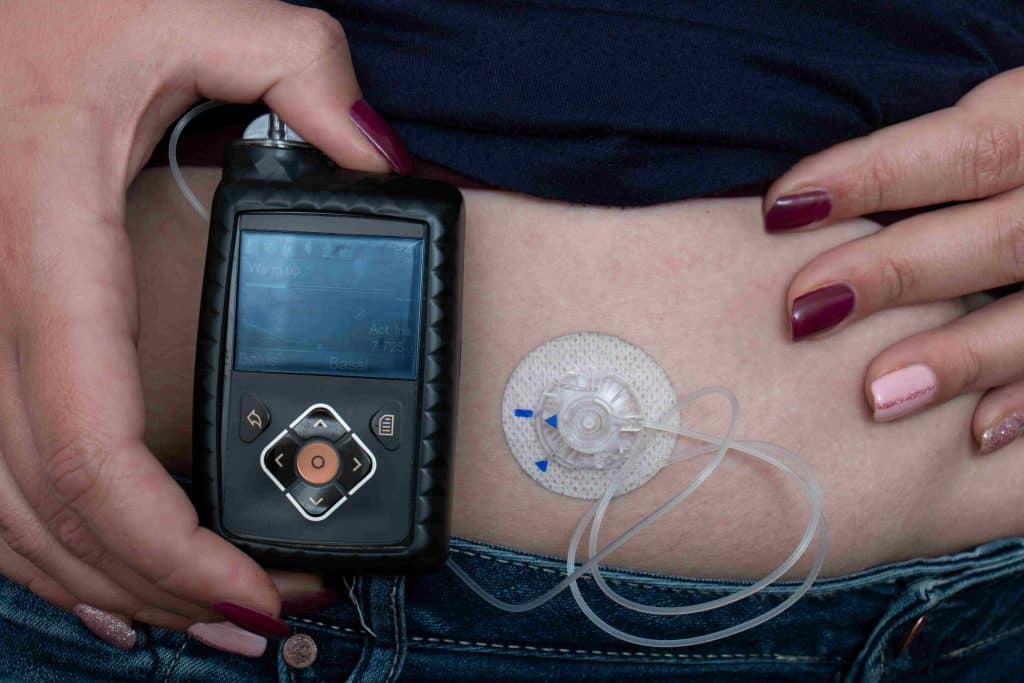
- Portable diagnostic tools: Miniature pumps keep these devices small and lightweight. Staff can carry them easily, which speeds up care in clinics and emergency settings.
By making medical technology smaller and easier to use, miniature pumps give patients more independence and improve their overall experience. They also help healthcare providers deliver faster, more flexible care.
Role in Laboratory and Diagnostic Applications
Miniature pumps are central to many laboratory processes. They move precise amounts of fluid, which is essential for blood tests and sample preparation, where accuracy cannot be compromised.
A small medical vacuum pump is often used in sterilisation and analytical tasks. Its compact size and reliable suction make it ideal for laboratories that need efficiency without sacrificing safety.
In microfluidics, miniature pumps also control volumes so small they’re invisible to the naked eye. That level of precision makes diagnostics faster and more dependable, helping doctors detect conditions sooner and with greater certainty.
The same reliability benefits researchers who test new treatments. Consistent fluid handling allows them to generate results that can be repeated and trusted across studies.
Safety and Quality Standards
In healthcare, every device must meet rigorous safety and quality requirements. Miniature pumps are built to comply with strict regulations, which ensures they remain safe to use in sensitive settings.
They are designed to withstand continuous operation and maintain consistent performance. Built-in safeguards such as leak prevention and flow monitoring protect patients while reducing risks for clinical teams.
By combining durability with strict compliance, these pumps give healthcare providers confidence that the equipment will function as intended in critical situations.
Future Potential and Innovation
Miniature pumps are becoming quieter, more efficient, and easier to build into compact devices. Closed-loop systems are emerging as the next stage of development, linking pumps with sensors so delivery can adjust automatically.
These advances point to a future where home care is more seamless and treatments can be tailored more closely to each patient. The potential is enormous, and miniature pumps will remain central to these improvements in modern healthcare.
Key Takeaways
Miniature pumps may be small, but their influence reaches many critical areas of modern medicine. They drive safe drug delivery, keep life-saving equipment running, enable portable devices, and support accurate diagnostics and research.
Their design continues to evolve, with new systems pointing to even more seamless and personalised care. As healthcare moves forward, miniature pumps will continue to support treatments that are safer, smarter, and more patient-focused.
