

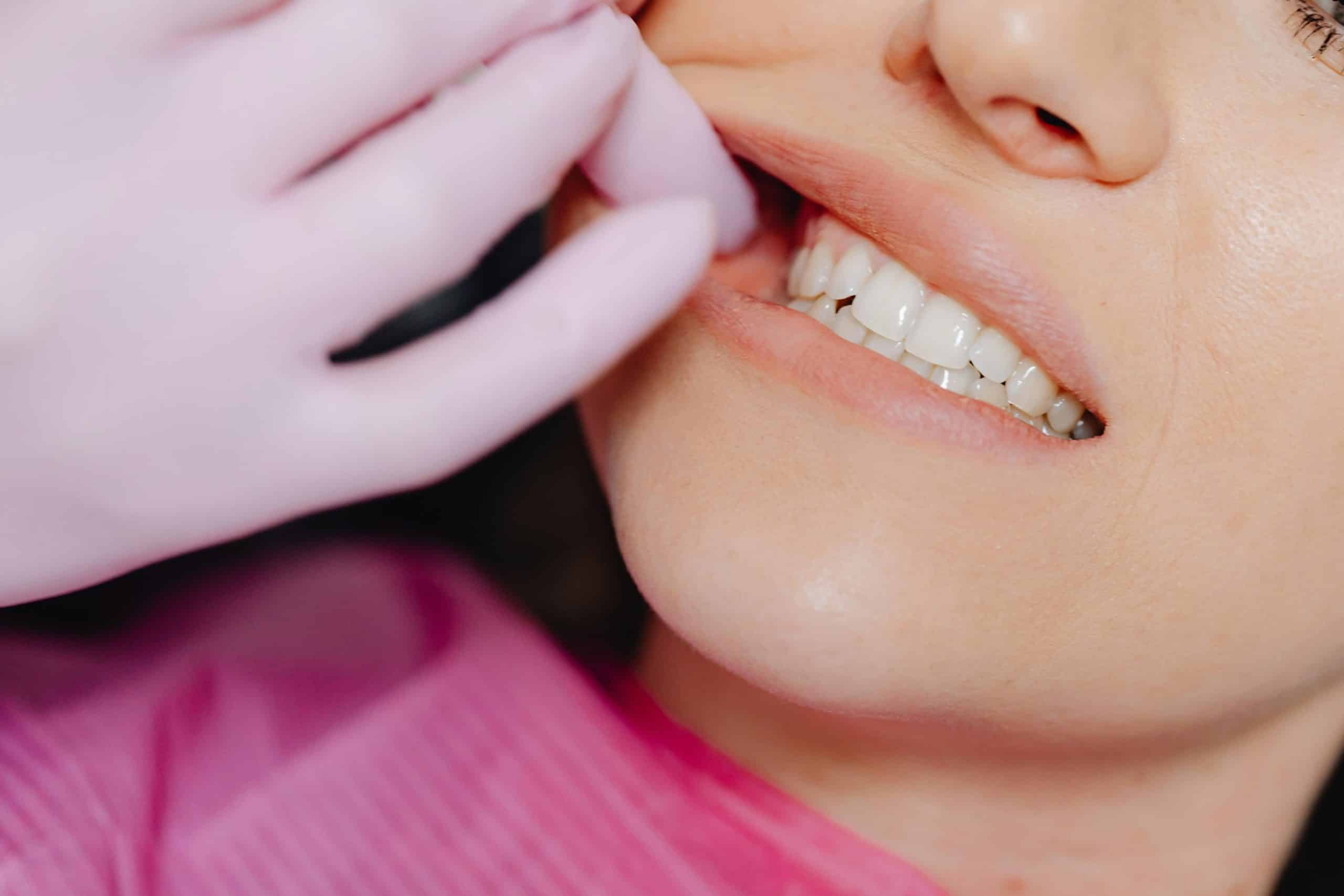
Regular teeth cleaning is one of the simplest and most effective ways to protect your oral health. Yet many people only think about visiting the dentist when they feel pain or notice a problem. By that point, issues such as gum disease or tooth decay may already be well established. Routine professional cleaning, combined with good daily habits, plays a key role in keeping teeth and gums healthy, comfortable, and strong for life.
This guide explains what regular teeth cleaning involves, why it matters, and how it helps prevent long-term dental problems.
What Is Professional Teeth Cleaning?
Professional teeth cleaning, often called a scale and polish, removes plaque and tartar that cannot be fully cleared with brushing and flossing alone.
Plaque is a sticky film of bacteria that forms on teeth every day. If it is not removed properly, it hardens into tartar, which cannot be brushed away at home. Tartar build-up increases the risk of gum disease, bad breath, and tooth loss.
During a professional clean, Lakewood Dental uses specialist dental instruments to remove this build-up from the teeth and along the gum line. The teeth are then polished to make the surfaces smoother, which helps slow down future plaque build-up.
Why Daily Brushing Is Not Enough on Its Own
Brushing twice a day is essential, but it does not always reach every area of the mouth. Tight spaces between teeth, along the gum line, and behind back teeth are common spots where plaque builds up.
Even people with good oral hygiene can develop tartar over time. Once tartar forms, it creates a rough surface where more bacteria can cling. This makes it harder to keep teeth clean and increases the risk of inflammation.
Regular professional cleaning supports your daily routine by dealing with the areas your toothbrush cannot reach effectively.
The Link Between Teeth Cleaning and Gum Health
One of the main reasons regular cleaning is so important is gum health.
Gum disease often starts silently. Early signs include redness, swelling, and bleeding when brushing. This stage, known as gingivitis, is common and usually reversible with professional cleaning and better oral care.
If left untreated, gingivitis can progress into periodontitis. This more serious condition affects the bone that supports the teeth and can eventually lead to tooth loss.
Regular teeth cleaning helps keep gums healthy by removing the bacteria that cause inflammation. According to the NHS, gum disease is a leading cause of tooth loss in adults, making prevention especially important.
Preventing Tooth Decay with Regular Cleaning
Tooth decay happens when acids produced by bacteria wear down tooth enamel. Over time, this can lead to cavities, pain, and infection.
Cleaning appointments help reduce the bacteria that cause decay. Polishing also makes it harder for plaque to stick to the teeth, offering extra protection between visits.
Regular check-ups often take place alongside cleaning, allowing dentists to spot early signs of decay before they become painful or expensive to treat.
Fresh Breath and Confidence
Bad breath, also known as halitosis, is often caused by bacteria in the mouth. Plaque build-up, gum disease, and food trapped between teeth all contribute to unpleasant smells.
Professional teeth cleaning removes bacteria from areas that are difficult to clean at home. This often leads to noticeably fresher breath and a cleaner feeling mouth.
For many people, this boost in confidence is one of the most immediate benefits of regular cleaning.
Teeth Cleaning and Overall Health
While brushing and flossing are important, professional cleaning helps keep harmful bacteria under control. Oral health is closely linked to general health, as bacteria from gum disease can enter the bloodstream and have been associated with conditions such as heart disease and diabetes.
Maintaining good oral health is part of looking after your whole body, not just your teeth. The British Dental Association regularly highlights the connection between oral health and overall wellbeing, reinforcing the value of preventive dental care.
How Often Should You Have Your Teeth Cleaned?
The right cleaning schedule varies from person to person. Many people benefit from a professional clean every six months, but some may need it more often.
Factors such as smoking, existing gum problems, medical conditions, and how quickly plaque builds up all influence how often cleaning is recommended.
Your dentist or hygienist can advise on a schedule that suits your individual needs rather than a one-size-fits-all approach.
Teeth Cleaning for People with Sensitive Teeth
Some people worry that teeth cleaning will be uncomfortable, especially if they have sensitive teeth or gums. Modern techniques and equipment are designed to be gentle while still effective.
Letting your dental professional know about sensitivity allows them to adjust the approach. In most cases, any discomfort is mild and temporary, and the long-term benefits far outweigh short-term sensitivity.
Regular cleaning can actually reduce sensitivity over time by improving gum health and preventing exposed roots.
The Role of Teeth Cleaning in Long-Term Dental Costs
Preventive care is usually more affordable than treating advanced dental problems.
Regular cleaning helps reduce the risk of needing fillings, gum treatment, or extractions later on. It also supports early detection, which keeps treatments simpler and costs lower.
For many patients, routine cleaning is an investment that saves money and discomfort in the long run.
Supporting Good Habits at Home
Professional teeth cleaning works best when combined with good daily care.
Brushing twice a day with fluoride toothpaste, cleaning between teeth, and limiting sugary foods and drinks all help maintain the results of a clean.
Dental professionals often give personalised advice during cleaning appointments, helping patients improve their home routine and avoid common mistakes.
Teeth Cleaning at Every Stage of Life
Regular cleaning is important at all ages. Children benefit from learning good habits early, adults use cleaning to prevent long-term damage, and older adults rely on it to maintain gum health and comfort.
For people with crowns, bridges, or implants, professional cleaning is especially important to protect both natural teeth and dental work.
Final Thoughts
Regular teeth cleaning is a cornerstone of good oral health. It helps prevent gum disease, reduces the risk of decay, improves breath, and supports overall wellbeing.
While daily brushing and flossing are essential, they cannot do the whole job alone. Professional cleaning fills the gaps, offering protection that keeps your smile healthy and comfortable for years to come.
Making teeth cleaning part of your routine dental care is one of the simplest steps you can take to protect your oral health and avoid problems before they start.
FAQs
How often should you have your teeth professionally cleaned?
There is no single schedule that is right for everyone. The frequency of professional cleaning depends on factors such as plaque and tartar build-up, gum health, smoking, medical conditions and individual oral hygiene. Your dentist or dental hygienist can recommend an appropriate schedule based on your needs.
Is professional teeth cleaning really necessary if I brush twice a day?
Brushing twice a day with fluoride toothpaste is essential, but it may not remove every deposit from between the teeth and along the gum line. Professional cleaning can help remove hardened tartar and deposits that cannot be removed with a toothbrush alone.
Can regular teeth cleaning prevent gum disease?
Regular professional cleaning can help control plaque and tartar, which are important contributors to gum disease. However, preventing gum disease also depends on daily brushing, cleaning between the teeth and appropriate professional dental care.
Does teeth cleaning remove tartar?
Yes. Professional dental cleaning can remove tartar, also called calculus, that has hardened on the teeth. Tartar cannot usually be removed effectively with normal brushing at home.
Can professional teeth cleaning help with bad breath?
It can help in some cases. Plaque, tartar, gum disease and trapped food can contribute to bad breath, and professional cleaning can remove deposits from areas that may be difficult to clean effectively at home. Persistent bad breath should be discussed with a dental professional because it can have several possible causes.
Is professional teeth cleaning painful?
Many people tolerate professional cleaning well, but some patients may experience temporary sensitivity or discomfort, particularly if they have sensitive teeth, inflamed gums or significant tartar build-up. Tell your dental professional about any sensitivity so the treatment can be adapted where appropriate.
Does professional teeth cleaning whiten teeth?
Professional cleaning can remove some external stains caused by foods, drinks or tobacco, which may make teeth look cleaner and brighter. It is not the same as professional teeth whitening, which uses bleaching products to lighten tooth colour.
What is the difference between a dental check-up and a professional teeth cleaning?
A dental check-up involves examining the teeth, gums and mouth for problems such as decay and gum disease. Professional cleaning focuses primarily on removing plaque, tartar and staining. Some patients may need both types of appointment, but they are not the same treatment.
How often should you visit the dentist in the UK?
The appropriate interval depends on your individual oral health and risk of future dental problems. NHS guidance states that the time between routine dental check-ups can vary from around three months to two years, depending on individual circumstances. Your dentist should recommend an interval based on your needs.
Can regular teeth cleaning help protect dental implants and crowns?
Professional oral hygiene care can help maintain the areas around dental restorations such as crowns, bridges and implants. The cleaning approach should be selected according to the type of restoration and the patient’s individual oral health needs.
What should you do between professional teeth cleaning appointments?
Brush your teeth at least twice a day with fluoride toothpaste, clean between your teeth every day using floss or interdental brushes, and follow personalised advice from your dental team. The NHS specifically recommends twice-daily fluoride brushing and daily interdental cleaning as part of preventing gum disease.
