

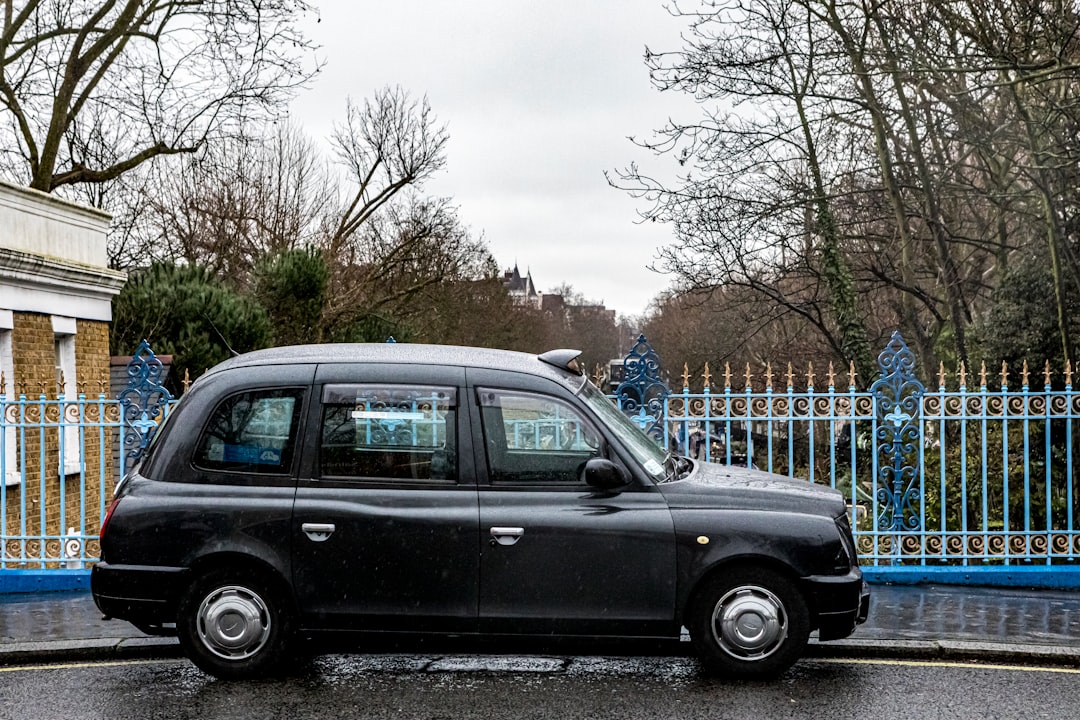
Getting around a city should be simple. For wheelchair users, it often turns into a barrier to everyday independence. Standard taxis don’t accommodate most mobility aids, leaving people stranded or planning journeys hours ahead for trips everyone else makes on impulse. Medical appointments, errands, a meal out: none of these should require a logistics operation.
Reliability, safety, dignity. That’s what’s actually missing for many people trying to stay active and connected in their communities. Vehicles need proper ramps, secure restraints, and enough interior space. Most standard fleets skip all three. The gap is wide. It shows up in daily life constantly.
Local authorities face more pressure now. Operators see the commercial case for inclusive fleets. Closing the distance between demand and supply is the real challenge. Making accessible transport routine, not a rare exception.
Why Standard Taxis Often Fall Short for Wheelchair Users
Saloon cars and compact minicabs weren’t built for wheelchair users. Step heights, narrow door frames, fixed seating: immediate barriers. Spontaneous travel disappears before a single call gets made.
Driver training is the next gap. No formal guidance, inconsistent experiences, operators who mean well but don’t know how. Willingness isn’t the problem. Knowledge is.
Outside London, CabDirect operates wheelchair accessible taxis built to carry passengers in their wheelchairs, with ramps, ISO 10542 securement systems, and drivers trained for accessible travel. Elsewhere, provision drops fast.
Older vehicles compound this. Worn suspension, damaged door seals, operators delaying upgrades on tight margins. Technically legal. Practically useless for safe travel. Compliant and usable are not the same thing.
Wheelchair Accessible Vehicles and What Makes Them Different
A WAV carries passengers who stay in their wheelchairs during the journey. Ramps or lifts, lowered floors, interior space designed for safe boarding: baseline requirements, not premium features. Conversion must meet strict safety standards. Skipping them isn’t a paperwork issue. It’s a safety failure.
Securement matters most. ISO 10542 compliance, the international standard for wheelchair tiedown and occupant restraint known as WTORS, keeps the chair fixed through sudden stops and sharp turns. Without it, a wheelchair shifts at speed. That’s not theoretical.
Interior dimensions decide whether a vehicle is actually usable. Headroom, turning radius, carer seating: all three need to work simultaneously. Common UK fleet models include the Ford Journey and Peugeot Premier. Conversions must meet ECWVTA and PAS 2012, aligning with UK vehicle type approval technical requirements that govern structural integrity and crash safety, not just accessibility optics.
A vehicle hitting minimum standards can still be difficult to board if ramp angles are steep or door widths are tight. Check specs against the actual wheelchair, not just the legal threshold. Electric and hybrid WAVs are more common now. Battery placement eats interior space in some models. Operators need to weigh that against passenger comfort directly.
Booking and Availability Considerations Across the UK
Booking a wheelchair accessible taxi rarely works like hailing a cab. Advance notice of a day or more is standard. That kills spontaneous travel entirely: social plans, last-minute appointments, anything unscheduled becomes difficult or impossible.
Outside London, WAV availability data is thin on the ground. A vehicle gets confirmed, then the wrong one shows up. Before booking: ask specifically about ramp or lift type, securement method, interior dimensions, driver training. Vague requests produce standard vehicles. Specific questions produce useful answers.
Peak hours and major events stretch supply further. Extra time in the schedule isn’t optional. Community transport schemes run by local authorities can supplement commercial options for regular journeys, supported in part by community transport funding and support in England that helps keep these services available where demand is harder to meet.
Specialist accessible operators outperform general taxi apps on reliability. App accessibility filters exist. They’re not always accurate. Call ahead and confirm directly.
Passenger Rights and Regulatory Protections
The Equality Act 2010 covers taxi and private hire operators across England, Scotland, and Wales, setting out Equality Act 2010 wheelchair taxi rights UK that require licensed drivers to carry wheelchair users and assist with boarding and alighting without extra charges.
Local councils keep designated vehicle lists of taxis approved for wheelchair users. Passengers can request to see whether a vehicle is listed before travelling. Assistance dogs travel under the same protections. Drivers cannot refuse without a medical exemption certificate from the licensing authority.
Report refusals without exemption to the local licensing authority. Keep records: date, time, vehicle registration, driver details. Evidence makes complaints actionable. Some councils monitor compliance actively. Others wait for complaints. Either way, documented incidents create accountability that verbal ones don’t.
Transport for All publishes material on complaints and operator accountability, covering how cases are handled in practice.
Pre-Booking Checklist for Wheelchair Users
Ramp or lift type: confirm it suits your wheelchair. Securement method: ask whether it meets ISO 10542. Interior dimensions: headroom, turning space, carer seating. Check all three. Driver training: verify it before confirming the booking. Written confirmation: get it, with an estimated arrival time. Carer travel: ask whether it’s included at no extra cost. Two minutes of questions. Significant reduction in problems.
Getting around shouldn’t depend on luck or repeated phone calls. When the right vehicle, trained drivers, and clear standards come together, travel becomes predictable instead of stressful. Asking the right questions before booking removes most of the uncertainty. With the right setup in place, wheelchair users regain something basic but essential: the ability to move freely, without planning every step hours in advance.
Frequently Asked Questions About Wheelchair Accessible Taxis
What is a wheelchair accessible taxi?
A wheelchair accessible taxi is a vehicle adapted to allow some wheelchair users to board and travel while remaining in their wheelchair. These vehicles may include ramps or lifts, additional interior space and wheelchair securement systems.
How do I book a wheelchair accessible taxi in the UK?
When booking, specifically request a wheelchair accessible vehicle rather than simply asking for an accessible taxi. Confirm the ramp or lift type, wheelchair securement system, interior dimensions, driver training and estimated arrival time before the journey.
Can wheelchair users stay in their wheelchair during a taxi journey?
Yes, some wheelchair accessible vehicles are specifically designed to allow passengers to remain in their wheelchairs during travel. The suitability depends on the vehicle, the wheelchair and the available securement system.
How are wheelchairs secured inside accessible taxis?
Wheelchairs are secured using specialised restraint systems designed to hold the wheelchair in position during travel. The article highlights ISO 10542-compliant wheelchair tiedown and occupant restraint systems as an important safety standard.
Do wheelchair accessible taxis have ramps or lifts?
Accessible taxis may use either ramps or lifts, depending on the vehicle design. Passengers should confirm which system is used and whether it is suitable for their specific wheelchair before booking.
What should I ask before booking a wheelchair accessible taxi?
You should ask about the ramp or lift, the wheelchair securement system, interior dimensions, driver training, carer seating and the expected arrival time. Written confirmation can also help reduce the risk of the wrong vehicle being sent.
Are wheelchair accessible taxis available across the UK?
Availability varies significantly between locations. Specialist operators may provide more reliable accessible transport, while availability can be more limited outside major cities and during busy periods or major events.
How much notice should I give when booking an accessible taxi?
Advance notice is often advisable, particularly where accessible vehicles are limited. The amount of notice required varies by operator and location, so passengers should confirm availability as early as possible.
Can a taxi refuse to carry a wheelchair user?
The article explains that UK taxi and private hire passenger protections can apply to wheelchair users, subject to relevant legal requirements and exemptions. Where a refusal occurs, passengers should record the date, time, vehicle details and driver information and report the incident to the relevant licensing authority where appropriate.
Can wheelchair users be charged extra for accessible taxi assistance?
The article explains that relevant passenger protections can require licensed drivers to provide certain assistance without additional charges, subject to the applicable legal framework and exemptions.
What is a wheelchair accessible vehicle or WAV?
A wheelchair accessible vehicle, commonly called a WAV, is a vehicle designed or converted to transport wheelchair users. Depending on the design, the passenger may be able to travel while remaining in the wheelchair.
Why is driver training important for accessible taxi journeys?
Driver training helps ensure that drivers understand how to assist passengers, operate ramps or lifts and use wheelchair securement equipment correctly. A vehicle may be technically accessible but still provide a poor experience if the driver lacks practical training.
What is ISO 10542?
ISO 10542 is an international standard associated with wheelchair tiedown and occupant restraint systems. Such systems are designed to help secure a wheelchair and its occupant during vehicle travel.
What should I do if the wrong accessible taxi arrives?
If the vehicle does not match the accessibility requirements confirmed during booking, avoid assuming that it is suitable. Ask the operator to confirm the vehicle specifications and, where necessary, request a suitable replacement.
How can wheelchair users improve the reliability of taxi bookings?
Passengers can improve reliability by booking in advance, clearly explaining the type and dimensions of their wheelchair, asking specific questions about the vehicle and securement system, and requesting written confirmation of the booking.
