

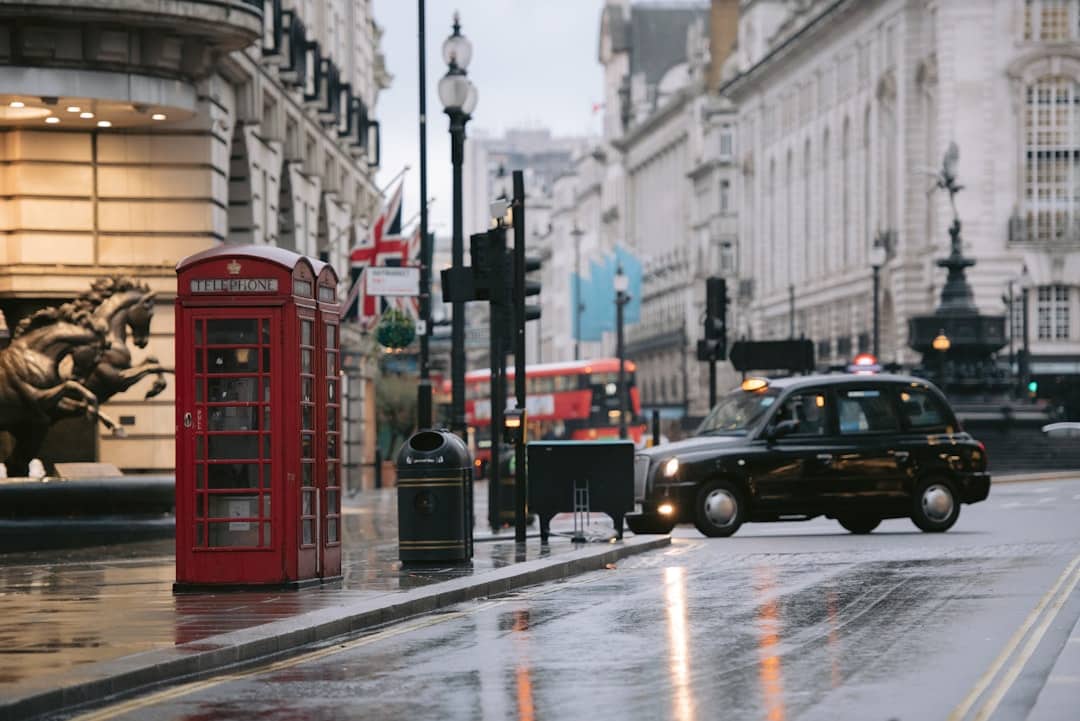
London can be chaotic, with its crowds and cacophony of crowds. This energy is exciting, especially at first, and it’s easy to get swept up in the flow of the city. However, this dynamic character is also distracting, which can leave you vulnerable to theft attempts. If you’re new to London, follow these simple, practical tips for protecting your belongings, so you can enjoy the extraordinary attractions, eateries and markets in peace.
- Stay aware in crowded areas
According to the Metropolitan Police advice for staying safe in London, crowded places like tube and train stations and tourist hotspots are where pickpockets and con artists tend to linger. This is where there is most opportunity to operate undetected and take advantage of those who are unfamiliar with the city.
Staying alert doesn’t mean making safety your entire focus. It just requires small changes that help you remain aware of your environment. This might include removing your headphones to ground you consciously in your surroundings, keeping a hand across the front of your bag or being cautious when taking out your phone. Thieves often rely on confusion and speed rather than force and will look for people who aren’t mentally present.
- Consider insuring your valuables
Replacing a stolen phone, tablet, camera or laptop is expensive. Insuring your valuables helps to protect you from the financial ramifications of theft. You can get phone insurance cover instantly online or look into gadget cover for multiple devices under one policy, often a cost-effective option if you carry a lot of tech. Some policies offer same-day replacement services, which matters if you rely on your phone as an everyday tool. Before choosing cover, check policy details to see in what situations you’re covered, and when you’re not. Rarely, home contents insurance already protects items outside the house.
Beyond the cost of the device itself, you may lose travel cards, banking access, work files or personal photos stored on it if you’ve not taken essential security precautions. If criminals get their hands on this information, they could commit serious fraud or even identify theft. Secure sensitive information behind two-factor authentication and biometric blocks, so your data cannot be used if valuables are stolen.
- Use a secure bag
The right bag changes how confidently you move around the city. Open tote bags may look stylish, but they give thieves easy access on crowded trains or escalators. Crossbody bags with zipped compartments usually work better because they stay close to your body and remain visible in front of you. Choose designs with sturdy straps and secure closures like ziptop fastenings instead of decorative options that pop open easily.
Backpacks suit longer commutes, though you should avoid storing valuables in outer pockets. On packed Tube carriages, many Londoners instinctively move backpacks to the front of their body because it prevents unnoticed access while creating more space for other passengers.
- Never leave bags unattended
A handbag hanging on the back of a chair or a laptop bag tucked under a café table may feel safe for a few minutes, especially in relaxed neighbourhood spots. Unfortunately, thefts in coffee shops and casual workspaces happen regularly because of the higher chance for items being left unattended.
When you settle into a café or pub, keep straps looped around your leg or chair rather than placing belongings beside you, and take your bag if you visit the restroom or head to the counter to grab your order. Even brief trips away from the table create enough time for someone to walk away with a bag unnoticed.
Keeping your bags with you is especially important in train and tube stations. Any unattended bags are considered a security risk and could be taken away and destroyed. If you’re planning to do more sightseeing before catching your train, you can make use of the luggage storage facilities at Kings Cross and other major stations like St Pancras or Victoria.
- Carry minimal belongings
The easiest way to protect your belongings? Don’t risk them in the open. While you might need your smartphone for payments, navigation and communication, you probably don’t need to flash your designer watch or wear your best jewellery. A slim wallet with one bank card, limited cash and essential identification reduces stress if your bag disappears. You also spend less time searching through overloaded bags on busy pavements or at ticket barriers.
Think practically about what you genuinely need each day. If you work remotely from different locations, carrying one lightweight laptop instead of extra gadgets lowers both physical strain and financial risk. Digital travel cards and contactless payments also reduce the need to carry multiple cards or large amounts of cash around the city. If you’re a visitor to the city, make use of your hotel safe and keep essentials like passports locked away.
