

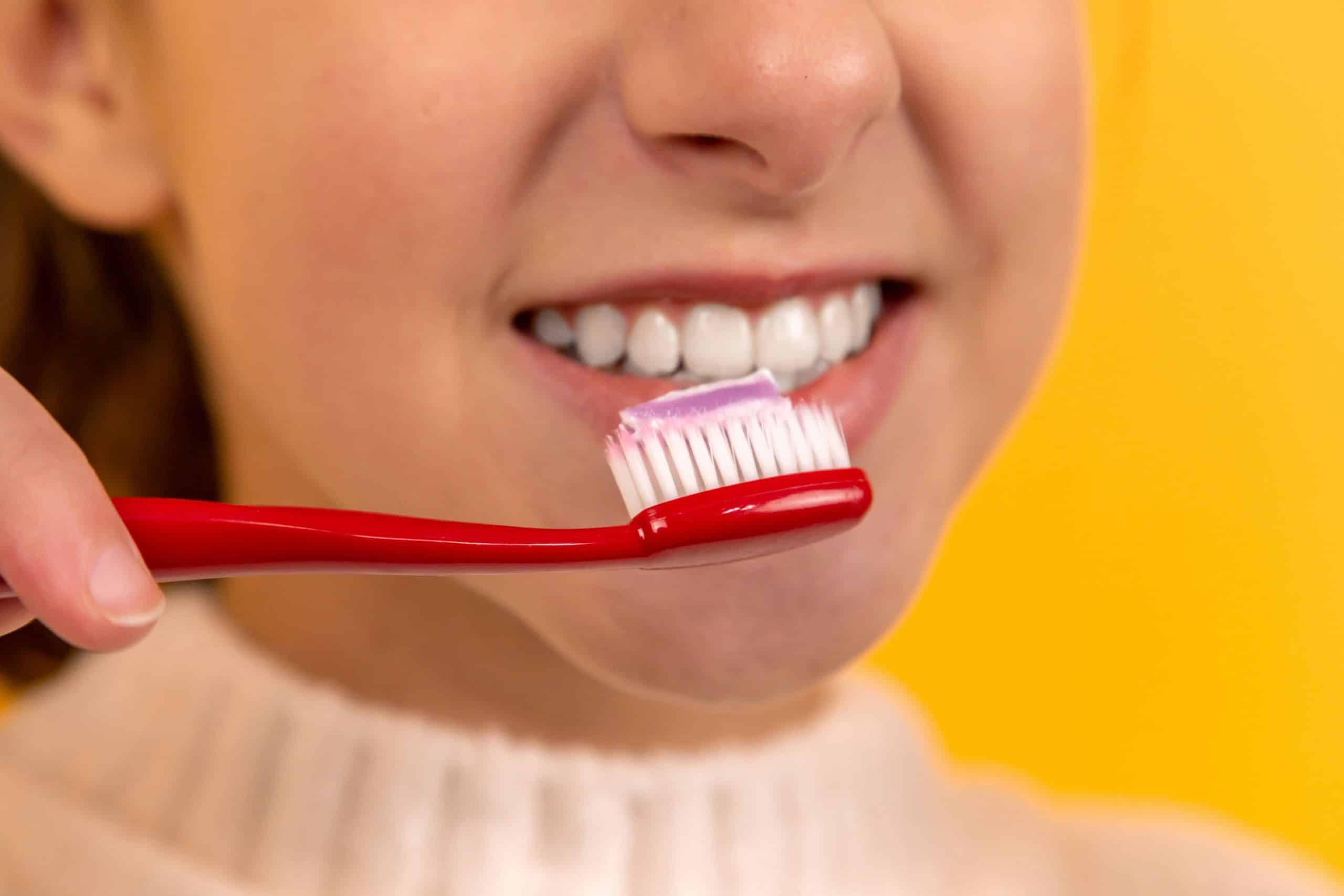
As we get older, looking after our teeth and gums becomes even more important. A healthy smile is not just about appearance. It affects how we eat, speak, and feel day to day. For many people in later life, dental care can feel expensive or difficult to access, especially if mobility becomes an issue. The good news is that protecting your smile does not have to cost a fortune. With the right approach, good habits, and timely support, it is possible to maintain oral health and comfort without stretching your budget.
Why Oral Health Matters More as You Age
Ageing brings natural changes to the mouth. Gums can recede, enamel can wear down, and the risk of tooth loss increases. Long-term medications may reduce saliva, leading to dry mouth, which raises the risk of decay and infection.
Poor oral health can also affect overall wellbeing. Painful teeth or ill-fitting dentures can make eating difficult, leading to poor nutrition. Infections in the mouth have been linked to wider health issues, including heart disease and diabetes.
According to guidance from the NHS, maintaining oral health later in life plays a key role in staying healthy and independent.
Common Dental Challenges in Later Years
Many older adults face similar dental concerns. Tooth loss is common, whether due to gum disease, decay, or past dental care that no longer meets today’s standards. Dentures may become loose over time as the shape of the mouth changes.
Cracks, chips, and wear on dentures can cause discomfort and affect confidence. Some people delay repairs because they worry about cost or long trips to the dentist. Unfortunately, waiting often makes the problem worse and more expensive to fix.
Dry mouth, sore gums, and infections can also develop quickly if oral hygiene slips, especially for those who need help with daily care.
Affordable Ways to Protect Natural Teeth
If you still have some or all of your natural teeth, prevention is the most cost-effective approach.
Brushing twice a day with fluoride toothpaste remains the foundation of good oral care. Using a soft toothbrush helps protect gums, which can become more delicate with age. Cleaning between teeth is just as important, whether with floss or interdental brushes.
Regular dental check-ups help catch small issues early, before they turn into painful or costly problems. Even if you no longer feel pain, routine visits are worth it.
Cutting down on sugary snacks and drinks also makes a big difference. Teeth can weaken over time, and sugar increases the risk of decay, especially when saliva flow is reduced.
Looking After Dentures Properly
For those with dentures, daily care is essential for comfort and long-term use. Dentures should be cleaned every day using products designed for them, not regular toothpaste, which can be too abrasive.
Ill-fitting dentures are not just uncomfortable. They can cause sores, infections, and difficulty eating. Over time, these issues can affect speech and confidence.
Prompt mobile denture repairs are often much cheaper than full replacements. Small cracks or loose teeth can usually be fixed quickly if dealt with early. Mobile denture services are particularly helpful for older adults who find travel difficult or stressful.
The Cost Benefits of Mobile Denture Services
Mobile denture services are designed to bring care directly to you, whether at home, in a care facility, or supported living accommodation. This removes the cost and hassle of travel and reduces waiting times.
Because these services focus on denture repair, relines, and adjustments, they are often more affordable than full dental clinic treatments. Many issues can be resolved in a single visit, helping avoid days or weeks without dentures.
For people on fixed incomes, this approach offers both convenience and value. It also helps reduce the risk of problems becoming worse due to delays in treatment.
Managing Dental Care on a Fixed Income
Budgeting for dental care can feel challenging in later years, especially after retirement. The key is planning and prioritising prevention.
Simple daily care costs very little compared to emergency treatment. Addressing small issues early, such as sore spots or loose dentures, usually costs less than major repairs later.
Some people may be eligible for support with dental costs. Information provided by Age UK explains what help may be available and how to access it.
Choosing services that focus on practical solutions rather than unnecessary treatments can also help keep costs down.
The Link Between Comfort and Confidence
A comfortable smile supports more than just physical health. It affects confidence, social interaction, and quality of life.
Loose or damaged dentures can make people avoid social situations, meals with others, or even conversations. Over time, this can lead to isolation.
Making sure dentures fit well and teeth are cared for helps people stay active and engaged. Small improvements in comfort can have a big impact on daily life.
When to Seek Help
It is important not to ignore warning signs. Pain, swelling, bleeding gums, or dentures that rub or slip are not normal and should be checked.
Waiting often leads to more discomfort and higher costs. Early advice and simple adjustments can usually prevent bigger problems.
Mobile denture services make it easier to seek help promptly, especially for those who struggle to attend traditional dental appointments.
Supporting Loved Ones with Oral Care
Family members and carers often play an important role in supporting oral health later in life. Helping with daily cleaning routines or spotting early signs of discomfort can make a real difference.
Encouraging regular check-ups and prompt repairs helps protect comfort and dignity. Clear communication about pain or changes in fit should always be taken seriously.
A supportive approach helps older adults feel confident asking for help when they need it.
Final Thoughts
Protecting your smile in later years does not need to be expensive or complicated. Good daily habits, early action, and choosing the right type of care all help keep costs under control.
Mobile denture services offer a practical, affordable way to maintain comfort and confidence, especially for those with limited mobility. By focusing on prevention and prompt repairs, it is possible to enjoy a healthy smile, eat comfortably, and stay socially active without breaking the bank.
A well-cared-for smile supports independence, wellbeing, and quality of life at any age.
