

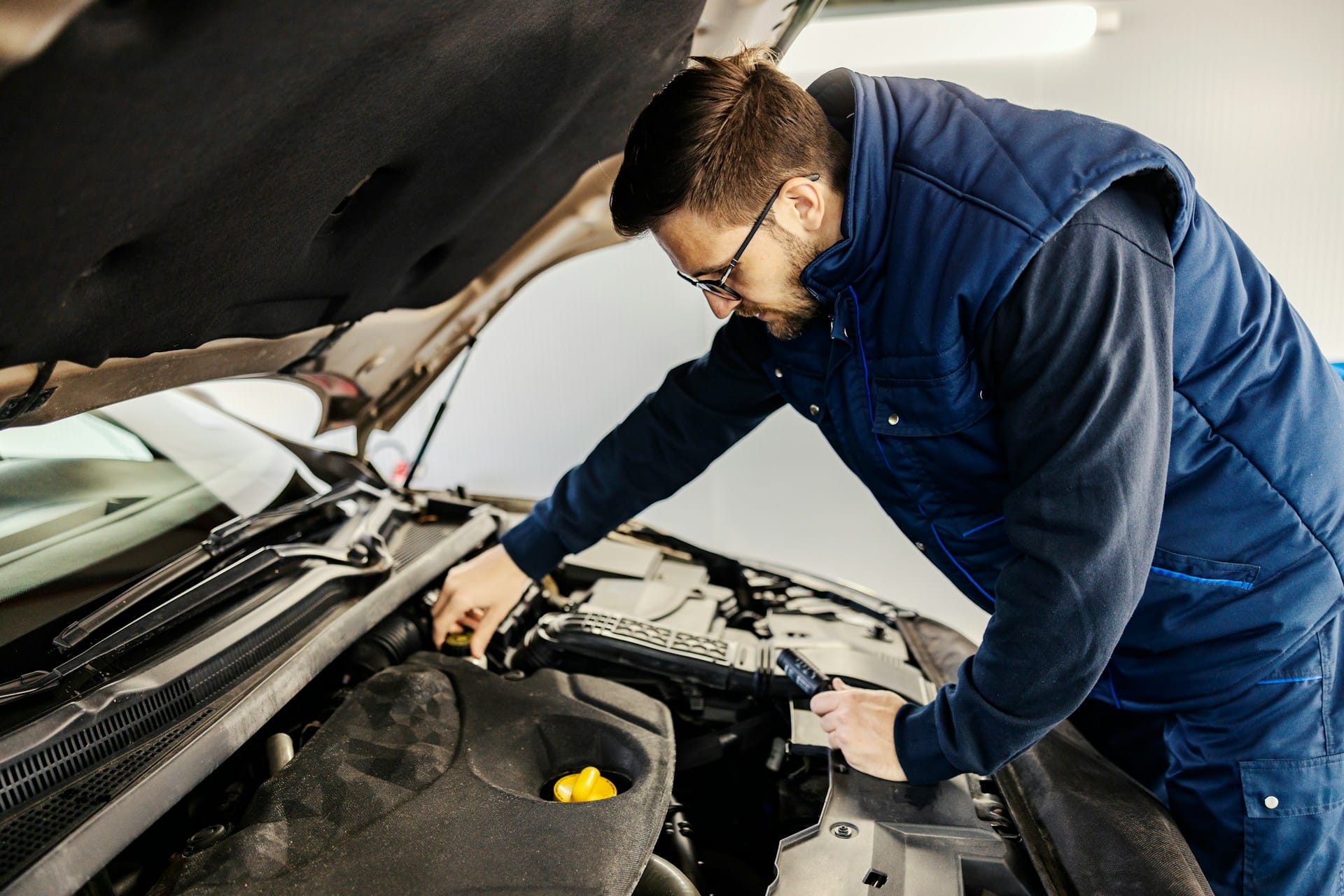
If you’re staring at a garage quote and wondering whether to fix your current car or put that money towards another one, you’re not alone. It’s a common crossroads for motorists, and the right answer depends on the numbers as much as the condition of your car.
Let’s ground this with three familiar examples: a 2011 Vauxhall Astra worth about £2,000, a 2009 Volkswagen Golf at £4,000, and a 2012 Ford Fiesta around £3,000. All are typical used buys, and all sit in that tricky bracket where big bills can feel hard to justify.
The Everyday Jobs That Shouldn’t Scare You
Some maintenance items are simply part of the deal. Take timing belts and water pumps. They’re vital for engine health and usually due every four to five years. At roughly £500, it’s not cheap, but it’s still sensible if the rest of the car is sound.
Brake pads and discs are another routine expense. Depending on how and where you drive, you might be looking at around £250 for a full front set. It’s hardly pocket change, but it’s nowhere near enough to justify changing cars.
Then there are spark plugs. If the engine feels rough or sluggish, they’re often the culprit. Fortunately, this is one of the more affordable fixes, typically between £100 and £200. It’s the sort of bill you pay without much hesitation.
When Costs Start to Climb
This is where things get more interesting. A clutch, for instance, can cost up to £1,000. On a car worth £2,000, that’s a serious chunk of its value. If the rest of the car is in excellent shape, you might press on. If not, it’s worth pausing.
Coil springs and alternators also fall into this mid-to-high bracket. Springs are usually replaced in pairs at around £250, while an alternator could set you back anywhere from £350 to £550 depending on the car. Individually, these are manageable. Together, they start to tip the balance.
The Smaller Essentials You Shouldn’t Ignore
Some items are non-negotiable. Tyres, for example, are your only contact with the road. A decent pair might cost between £100 and £300, and it’s money well spent. Skimping here is a false economy.
Batteries are another straightforward fix. If the car struggles to start, a replacement at £100 to £150 is hardly a reason to start car shopping. It’s a quick win that keeps things moving.
So, Repair or Replace?
There’s no one-size-fits-all answer, but there is a sensible rule of thumb. If the repair is modest and the car is otherwise reliable, fix it and carry on. Jobs like brakes, tyres or spark plugs fall neatly into this category.
When you’re facing bigger bills, it’s about proportion. Spending £1,000 on a car worth £2,000 only makes sense if you expect plenty of trouble-free miles afterwards. If faults are piling up, it may be time to cut your losses.
Also bear in mind that selling a faulty car will reduce its value, but you’re unlikely to fully recoup the cost of major repairs if you fix it just to sell it on.
It’s important to run a number plate check on the vehicle as well. This will show whether the vehicle has prior issues, such as MOT failures, and will also provide a valuation, giving you a better idea of whether you should sell the vehicle or keep it.
In the end, smaller jobs are part of ownership and worth doing. But if your car is becoming a regular visitor to the garage and the bills are stacking up, it’s probably time to start browsing for something newer.
Frequently Asked Questions About Repairing or Replacing a Car
How do I know if my car is worth repairing?
A car is usually worth repairing when the repair cost is manageable and the vehicle is otherwise reliable, safe and in good condition. Consider the car’s current value, repair cost, MOT history, maintenance record and the likelihood of further major problems before making a decision.
Should I repair a car if the repair costs more than its value?
Not necessarily. A repair costing more than the car’s current market value can still be worthwhile if the vehicle is reliable and replacing it would cost significantly more. However, if the repair is one of several major bills or the car has other serious faults, replacing it may make more financial sense.
Is it worth spending £1,000 repairing a car worth £2,000?
It depends on the vehicle’s overall condition and expected future reliability. Spending £1,000 on a £2,000 car may be reasonable if the repair is a one-off and the car is otherwise sound. If several other expensive repairs are likely, replacing the car could be the better option.
What car repairs are usually worth paying for?
Routine repairs such as brakes, tyres, batteries and spark plugs are generally part of normal vehicle ownership and are usually worth paying for when the car is otherwise reliable. Larger repairs should be considered in relation to the car’s value and future condition.
When should I stop repairing my old car?
You may want to consider replacing an old car when major faults keep appearing, repair bills are becoming frequent, the vehicle is unreliable or the total cost of keeping it on the road is becoming difficult to justify.
Is it worth replacing a car because of a clutch problem?
Not automatically. A clutch replacement can be expensive, but the decision depends on the car’s value, condition, mileage and the likelihood of further repairs. A well-maintained car may still be worth repairing after a clutch replacement.
Should I repair my car before selling it?
It depends on the repair. Small repairs may improve the car’s appeal and help maintain its value, but major repairs are unlikely to be fully recovered through the selling price. Compare the repair cost with the likely increase in the car’s value before spending the money.
How can I check my car’s value before deciding whether to repair it?
You can use a reputable vehicle valuation service and compare the estimated market value with the repair quote. A vehicle history or number plate check can also provide useful information about MOT history and previous issues.
How important is MOT history when deciding whether to keep a car?
MOT history can provide useful evidence about a vehicle’s past faults and recurring problems. Repeated failures or advisories may indicate that additional maintenance costs could be ahead, although MOT history should be considered alongside the car’s current mechanical condition.
Is a high-mileage car worth repairing?
A high-mileage car can still be worth repairing if it has been maintained properly and remains reliable. Mileage should not be considered in isolation. The car’s service history, condition, repair requirements and future running costs are also important.
Is replacing a car always cheaper than repairing it?
No. Buying another car involves its own costs, including the purchase price, insurance, tax, finance, servicing and possible repairs. A repair may be the more economical option if the existing car is reliable and the problem is isolated.
What is the best rule for deciding whether to repair or replace a car?
A useful rule is to consider the repair in the context of the car’s overall condition. A modest repair on a reliable car is usually worth doing, while repeated major repairs on an unreliable vehicle may indicate that it is time to consider a replacement.
